How to Make a Cinematic Video Essay: A Script, Shot Plan and Prompts You Can Reuse
Turn one idea into a cinematic essay with a clear argument, purposeful scenes and natural narration. Includes a worked script and practical Sentarys prompts.
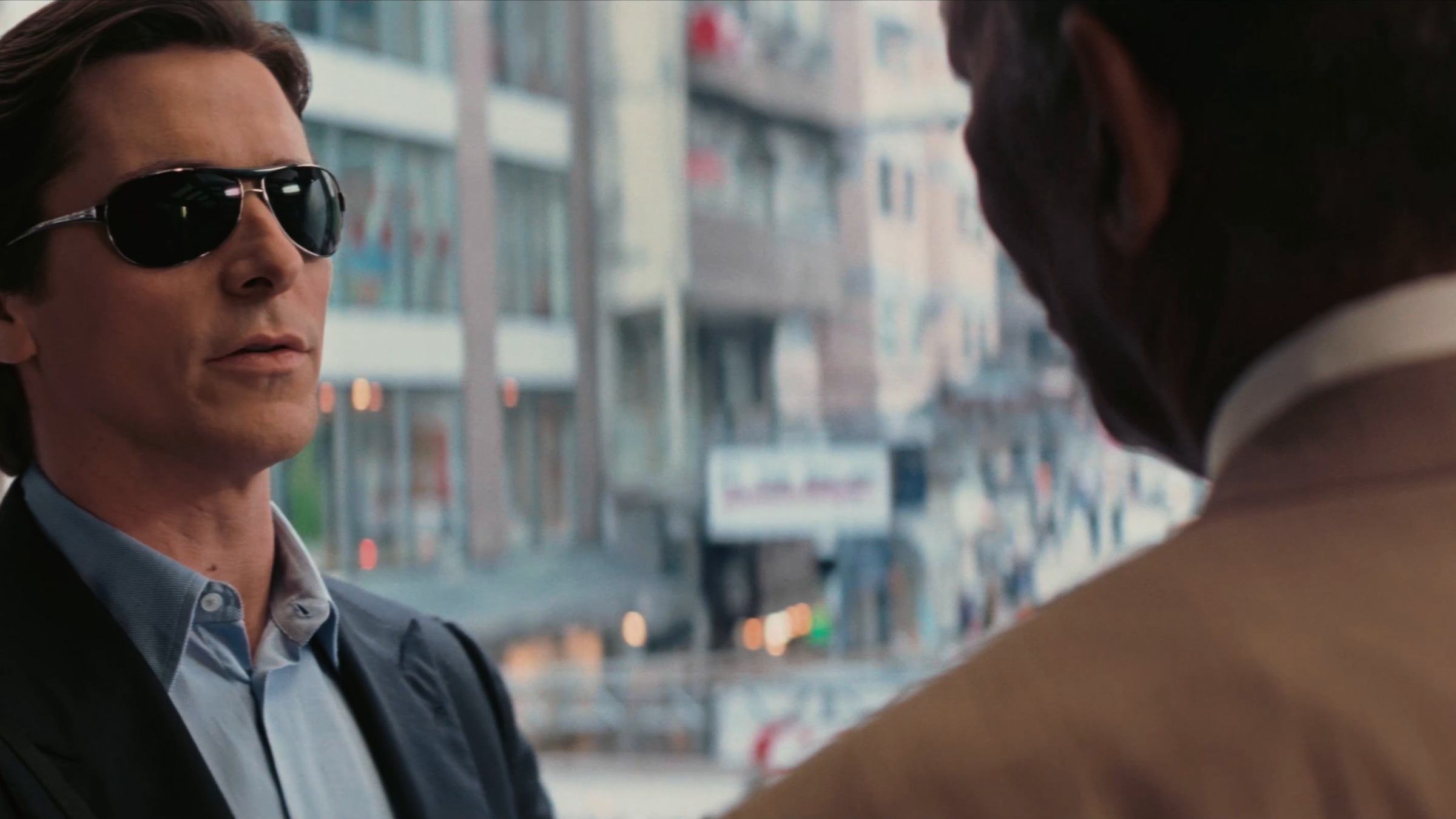
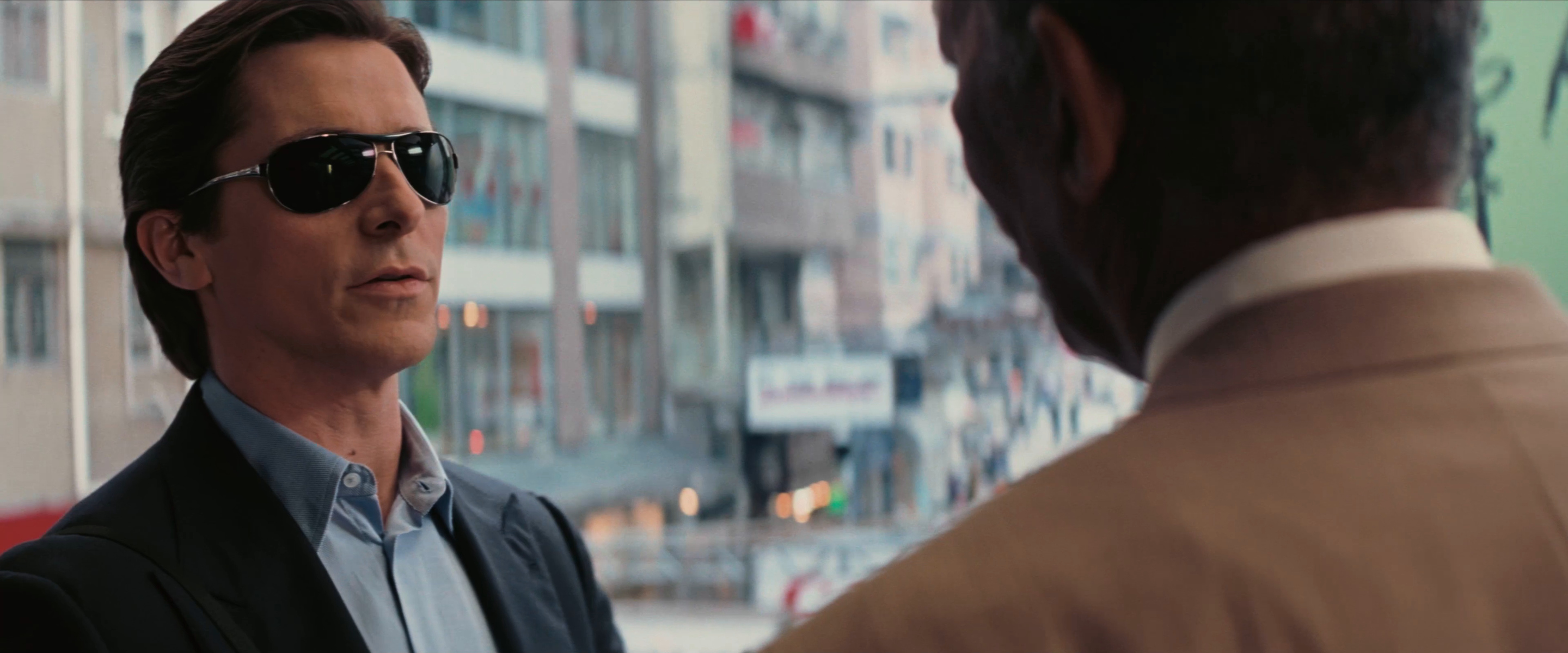
A cinematic video essay gives an idea a visual argument. A person waiting outside a closed door, a desk left unfinished and a quiet walk home can make an observation feel specific. The strongest essays connect those images to something the narrator is actually saying.
In Sentarys, the Tell it through cinema template gives you a way to make that format from a topic, script or recording. Start with the argument, then judge the scenes by how well they carry it. Here is a small essay you can plan before spending anything on generation.
Choose a claim small enough to show
“Success changes your life” leaves the video with too many possible meanings. “Starting again feels embarrassing because the first step is visible and the preparation is hidden” gives you a situation, a tension and an ending. A viewer can picture a beginner walking into a room. Every scene can support that one claim.
Write your claim in a sentence. Under it, list one action the viewer can see, one obstacle and one decision. If the list stays abstract, narrow the topic until someone could film an example on a phone.
Use a four-part script
| Part | What it does | Example |
|---|---|---|
| Observation | Shows the recognizable moment | You stop outside the room before your first class. |
| Tension | Names the feeling or conflict | Everyone else seems to know what to do. |
| Turn | Changes how we understand it | You are seeing their current chapter and your first page. |
| Decision | Leaves the viewer with an action | Walk in, ask the small question, come back tomorrow. |
That structure is a useful starting point for a short essay. Give a longer film a new question or example in each chapter rather than stretching the same claim across five minutes.
Prompt for the first draft
Write a 60-second cinematic video essay about the embarrassment of being a beginner. Audience: adults trying a new creative skill. Build four beats: a visible moment, the internal tension, a change of perspective and a small decision. Use concrete actions, short sentences and a quiet conversational voice. Include one original visual metaphor. Avoid quotations, invented research, generic motivational slogans and promises of success. Return only the narration, around 120 to 140 words.
Use the prompt to draft the narration, then read it aloud with a timer. A requested duration is an estimate. If you rush the ending, cut a sentence before speeding up the delivery.
A short practice script
You stand outside the classroom for a few seconds longer than you need to. Inside, someone is already drawing. Someone else knows where the pencils are. You have not even found a chair. It is easy to mistake that moment for proof that you do not belong. But you arrived at their middle and your beginning. The first page usually looks empty. That is what makes it available. Walk in. Ask where the pencils are. Make the awkward first mark. Tomorrow, the room will already be a little less unfamiliar.
Make a shot plan that follows the words
Pair “outside the classroom” with hesitation at a doorway, “their middle and your beginning” with a contrast between practiced hands and a blank page, and the last sentence with someone returning. You can use scenes from different sources when their visual meaning fits; you still need continuity in mood, color and direction.
Shot-planning prompt: Take this narration and propose six shots. For each, name the exact sentence it supports, a concrete action and a search phrase for footage. Use doorway, desk, hands, paper and return as recurring visual ideas. Flag any shot that would require inventing a factual event. Return the shot plan separately from the spoken narration.
Keep this plan beside you during review. Paste only the spoken words into My script, so shot instructions never become part of the narration.
Make the essay in Sentarys
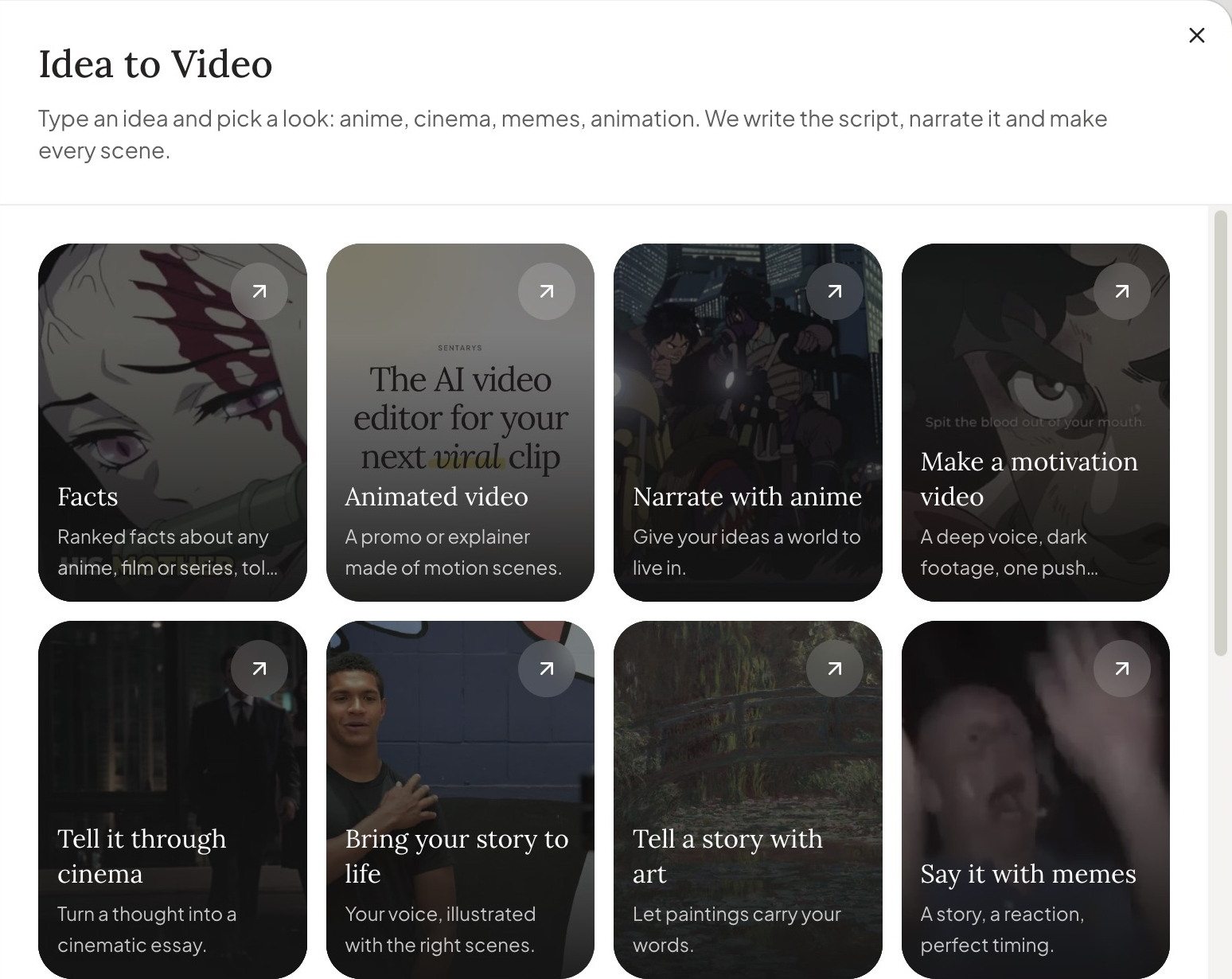
- Open Create → Idea to Video → Tell it through cinema.
- Choose Topic for a starting brief, My script for reviewed narration, or My voice for a recording you want to keep.
- Choose your material and the output format. Landscape gives an essay room; vertical works when the subject survives the crop.
- Review scene matches before polishing captions. Replace a beautiful shot if it communicates the wrong idea.
- Listen once without looking at the image, then watch once without audio. The argument should survive the first pass and the visual progression should make sense in the second.
Polish without making every second louder
Leave a breath before the turn. Lower the music when the narrator says the sentence that matters. Use captions that fit the frame, especially where the subject is small or close to the lower edge. Read our caption placement guide and test a vertical version with the safe-zone checker.
Make one short companion piece from the essay's central question. You can also use the same brief for Tell a story with art or Narrate with anime and compare how the images change its tone. Sentarys script to video keeps those directions within the same studio.
Sentarys Pro is $10/month with 30,000 credits shared across AI workflows. Check the estimate for your chosen video before creating it. Start with 6,000 free credits and keep developing your channel in the same studio.
Ready to try Sentarys?
Paste a link or upload a video and get finished clips with captions. 6,000 free credits on signup, no credit card required.
Get Started FreeRelated Articles
How to Make Brainrot Explainer Videos: Peter Griffin, Memes and Sentarys vs brainrot.mov
Learn the Peter Griffin explainer format, write a useful 45-second script and build a meme video in Sentarys. Includes prompts, real screenshots and a brainrot.mov comparison.
InVideo vs Pictory, StoryShort and AutoShorts: Make Your Channel in Sentarys
Compare script-to-video plans and build narrated shorts and documentaries in the same Sentarys studio.
How to Write a Faceless Mini-Documentary: A 60-Second Script Template
Build a short documentary around a question, evidence and a clear answer, with a worked script and a shot plan for a faceless channel.