How to Plan an AI Video Series: A Character Bible and Three Episode Prompts
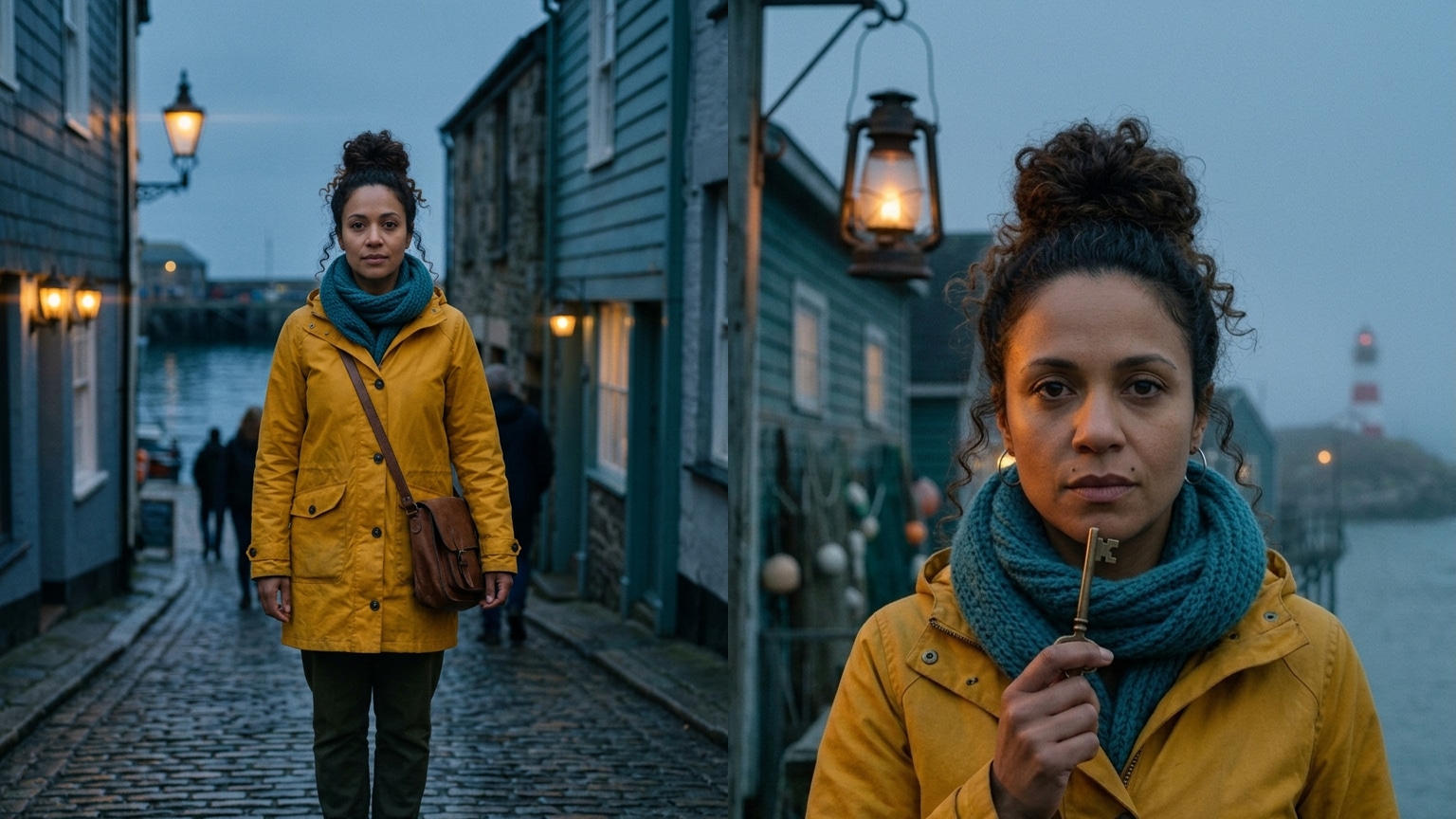
Build a repeatable short series with stable characters and different stories. Includes a character-bible template, three episode briefs and real Sentarys Series Lock frames.
A recurring character helps viewers recognize a series. A new decision gives them a reason to watch the next episode. Plan both before generating: write down the character and world details that should persist, then give each episode a different problem with a complete ending.
Sentarys Series Lock provides a workflow for recurring characters, reference frames and episodes. The practical preparation is a small series bible you can review before spending credits on video.
Separate stable details from episode decisions
The face, wardrobe, voice, locations and visual tone form the stable part of the series. The question, obstacle and decision form the episode. Keeping those two lists separate helps you request a new story without accidentally redesigning its lead character.
A name alone is insufficient direction. “Mara, the mechanic” leaves the appearance open. Describe the age range, hair, distinctive facial detail, jacket, footwear and habitual movement. Keep the description concise enough to reuse without changing its meaning.
A character-bible template
Character: Mara, an adult bicycle mechanic in her early thirties. Appearance: short dark curly hair, round face, small scar above the left eyebrow. Wardrobe: faded green work jacket, dark trousers, tan boots. Voice: calm and dryly funny. Behavior: checks the simplest cause before blaming the machine. World: a small coastal repair shop with one red workbench, a blue door and warm daylight. Visual direction: grounded, gentle, slightly weathered. Keep these details stable; each episode introduces a different repair problem.
This is a fictional planning example. Our actual demo below uses the Saltmere characters and world, which you can inspect in the Saltmere case study.

Plan three episodes with different turns
| Episode | Problem | Turn | Ending |
|---|---|---|---|
| The noisy wheel | A rider thinks the bicycle is broken | The noise comes from a loose accessory | They learn to check before replacing |
| The missing tool | Mara cannot find the wrench | A child organized the drawer by color | They invent labels together |
| The rainy delivery | A repaired bicycle cannot go home in the storm | The owner arrives with a cart and a blanket | Help comes from the person waiting for it |
The stories share a shop and a character, while the misunderstanding and resolution change. That makes the series recognizable without making the episodes interchangeable. Write an ending for each before you draft a cliffhanger for the next.
A prompt for an episode outline
Using the supplied character bible, outline episode one: The noisy wheel. Make a self-contained 30-second story in four shots: arrival, inspection, discovery and response. Keep Mara's face, jacket, voice and the shop unchanged. Use one location and at most two speaking characters. Describe a visible action in every shot. Finish with the repaired bike leaving the shop. Return a shot outline and dialogue separately; do not add a new costume, narrator or location.
For episode two, replace only the episode title and problem with The missing tool. For episode three, use The rainy delivery. Supply the same bible each time and ask for a different discovery and ending.
Create the series in Sentarys
- Open Create → Series, choose Recurring characters and set the premise.
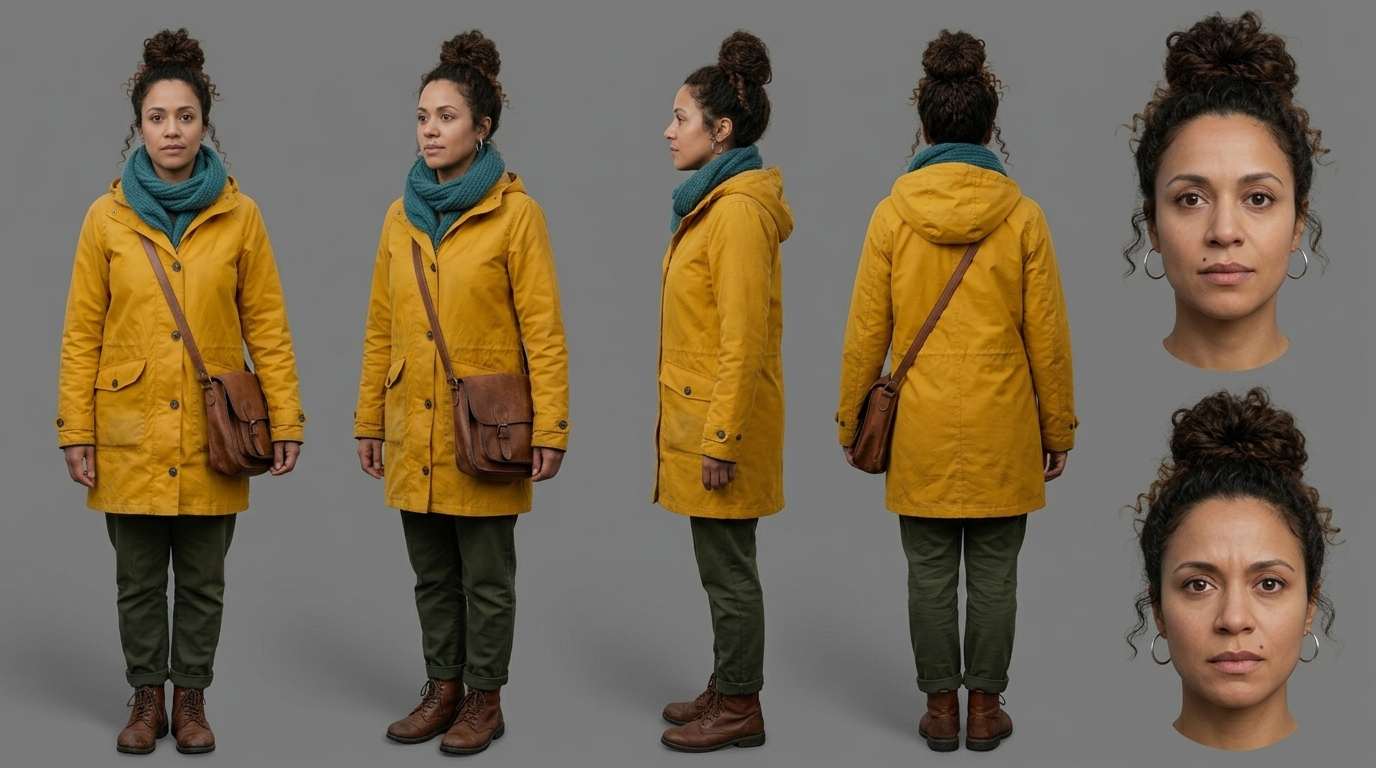
- Give the character and world descriptions enough detail to establish references. Review the bible and character sheet before requesting episodes.
- Keep episode briefs short and concrete. Use your outline to check the planned scenes.
- Review the reference frames and finished motion together. Watch whether the face, clothing or position changes during a shot.
- Correct the specific shot that drifts and review the ending before exporting the episode.
Reference frames improve consistency, but motion still deserves a visual review. A character can match at the start and drift while turning. In our consistent-character guide, we explain how to compare the frames and keep revisions focused.
Check continuity in three passes
Appearance: compare the lead face and wardrobe in adjacent shots and between episodes. Space: check which side the door, bench and other characters occupy. Story: watch whether the discovery follows from the inspection and whether the final action resolves the opening problem.
Keep a simple continuity note for each accepted episode. A new scene may deliberately change weather or time of day; record that decision rather than asking the next brief to infer it. Reuse accepted reference material when expanding the series.
Make the next episode earn its place
Read comments for the character decisions viewers mention. An audience question can suggest a new obstacle, but keep the answer within the world you established. You can also turn the series into a narrated recap or a behind-the-scenes explanation of the creative choices.
For the measured demo, costs and visual comparisons, read the Saltmere case study. For another storytelling direction, try our cinematic essay script method. Sentarys lets your series sit beside the other formats your channel needs.
Sentarys Pro is $10/month with 30,000 credits shared across AI workflows. Check the estimate for your chosen video before creating it. Start with 6,000 free credits and keep developing your channel in the same studio.
Ready to try Sentarys?
Paste a link or upload a video and get finished clips with captions. 6,000 free credits on signup, no credit card required.
Get Started FreeRelated Articles
Best Editing Software for Vlogging: Honest Picks by Vlogger Type
DaVinci Resolve, CapCut, Premiere Pro, Final Cut Pro, iMovie, Descript and Sentarys compared for vloggers, with the right pick for how you shoot and publish.
How to Make a Travel Vlog: Plan, Film and Edit a Trip People Watch to the End
A complete travel vlog workflow: the story idea, a shot list, what to film each day, audio, b-roll, batteries and storage on the road, and how to edit hours of footage.
B-Roll Ideas for Vlogs: 40 Shots by Situation and How to Use Them
Practical b-roll ideas for travel, daily, food, city and nature vlogs and for talking-head videos, with how to shoot each one and where it belongs in the edit.